5 Lessons From a Solo Oil Rig Defense in Rust
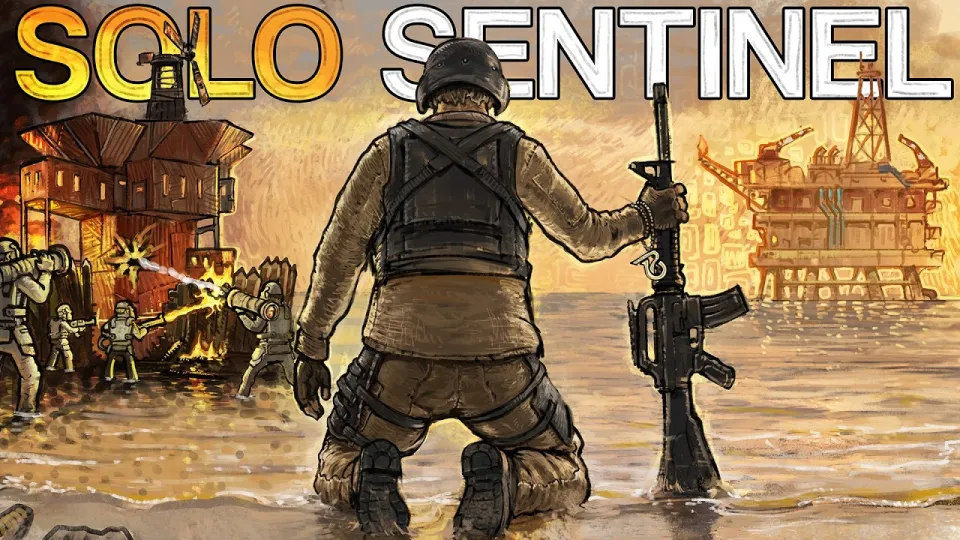
Video: The Solo Sentinel - Rust
You can order the same kind of articles for your own video to boost it on YouTube and Google. Just message the Telegram bot @sat_sit_bot. The bot writes and publishes the articles itself (with your YouTube video embedded) on popular topical websites (no ads). Try it free: 50 articles on us.
· based on the channel Blooprint
Building next to oil rig as a solo in Rust is a high-risk, high-reward strategy that demands constant vigilance, smart base design, and efficient resource management. In his video “The Solo Sentinel,” Blooprint demonstrates how a solo player can hold ground against larger groups by leveraging the monument's loot and designing a defensible base. For more solo Rust gameplay and live streams, check out Blooprint's Twitch channel.
Why building near oil rig is a double-edged sword
Oil rig is one of Rust's most lucrative monuments, offering elite crate loot, military-grade weapons, and valuable components. Building nearby gives a solo player quick access to these resources, but it also attracts attention from groups and other solos looking to contest the area. Blooprint's base placement allowed him to monitor activity at the monument and ambush players leaving with loot. However, it also made him a prime target for raids, as seen when a group launched a rocket raid on his base. The key is to balance the advantage of proximity with the need for a strong defense.
Base design principles for a solo sentinel
A solo base must be compact, resource-efficient, and layered with defenses. Blooprint's design featured a bunker-style core, multiple loot rooms with code locks, and a turret network covering approaches. He emphasized sealing materials in every room to prevent easy access, a tip echoed by viewers. The base also included a shooting floor for defense and a rooftop for spotting incoming threats. Using a compact footprint reduces the cost of upkeep and upgrades, allowing solo players to progress faster.
Defending against raids and online opponents
When a raid occurs, solo players must act quickly and decisively. Blooprint's defense strategy involved using turrets to soften attackers, deploying traps, and counter-raiding when possible. He also utilized the element of surprise by flanking through underwater approaches, as noted by a viewer who adopted his base design. Communication is limited as a solo, so pre-placed defenses and knowledge of the base layout are crucial. Maintaining a stockpile of resources for quick repairs and having backup kits ready can mean the difference between losing everything and repelling the raid.
Managing resources and progression as a solo
Solo Rust is a grind, but efficiency is key. Blooprint prioritized gathering components for turrets and upgrading his base's core before expanding. He also utilized the oil rig's loot to accelerate his progression, crafting weapons like the M16 and explosives for defense. Viewers appreciated the narrative of struggle and gradual progression, contrasting with the fast-paced team gameplay. To succeed, focus on high-value targets, use the recycler at the monument, and avoid unnecessary fights that drain resources.
What viewers are saying about solo content
The response to “The Solo Sentinel” highlights a strong demand for solo-focused Rust content. Many viewers expressed that solo videos feel more personal and engaging because the creator's thought process and decision-making are directly shared with the audience, without team comms. Others praised the relatable struggle of solo survival, where every victory feels earned. Some suggested that collabs with random players encountered along the way add a unique flavor to solo adventures. Overall, the feedback underscores that solo content resonates deeply with the Rust community.
All links from the video
Conclusion
“The Solo Sentinel” showcases the thrill and challenge of solo Rust, proving that with smart base placement and relentless defense, a lone player can hold their ground near oil rig. Blooprint's video breakdown offers valuable insights into solo survival tactics, from base design to raid defense. For more live solo gameplay and to join the community, follow Blooprint on Twitch. Whether you're a seasoned solo or new to the game, these lessons can help you become a more resilient survivor.
Key takeaways
- Blooprint built his solo base within sight of the oil rig monument to control loot access.
- He used a compact base design with multiple turrets and sealed loot rooms to repel raids.
- The video highlights the importance of constant upgrades and resource gathering as a solo player.
- Viewers praised the narrative and struggle of solo survival over fast-paced team progression.
Source: The Solo Sentinel - Rust · Markdown version
Questions & answers
Is it worth building near oil rig as a solo in Rust?
Yes, but it comes with high risk. Oil rig offers elite loot that can accelerate your progression, but you'll face constant competition and raids. A well-designed base with turrets and sealed loot rooms is essential to make it work.
How do you defend a solo base against raids in Rust?
Use turrets to cover approaches, keep repair resources handy, and have backup kits ready. Surprise tactics like flanking through underwater routes can catch raiders off guard. Pre-plan your defense and act quickly when the raid starts.
What makes solo Rust content so popular?
Viewers connect with the personal narrative and struggle of solo survival. Without team comms, creators share their thought process directly with the audience, making the experience more engaging and relatable.
How can I progress faster as a solo player in Rust?
Focus on high-value monuments like oil rig for loot, use recyclers efficiently, and avoid unnecessary fights. Prioritize base upgrades and turret placement to protect your gains, and always have a backup plan.